Human Performance
Activity-based zones
The brain does not work the same way at 9:00 as at 16:00. That is why we design by cognitive mode, not by department or rank. Each person chooses where to work according to the task.
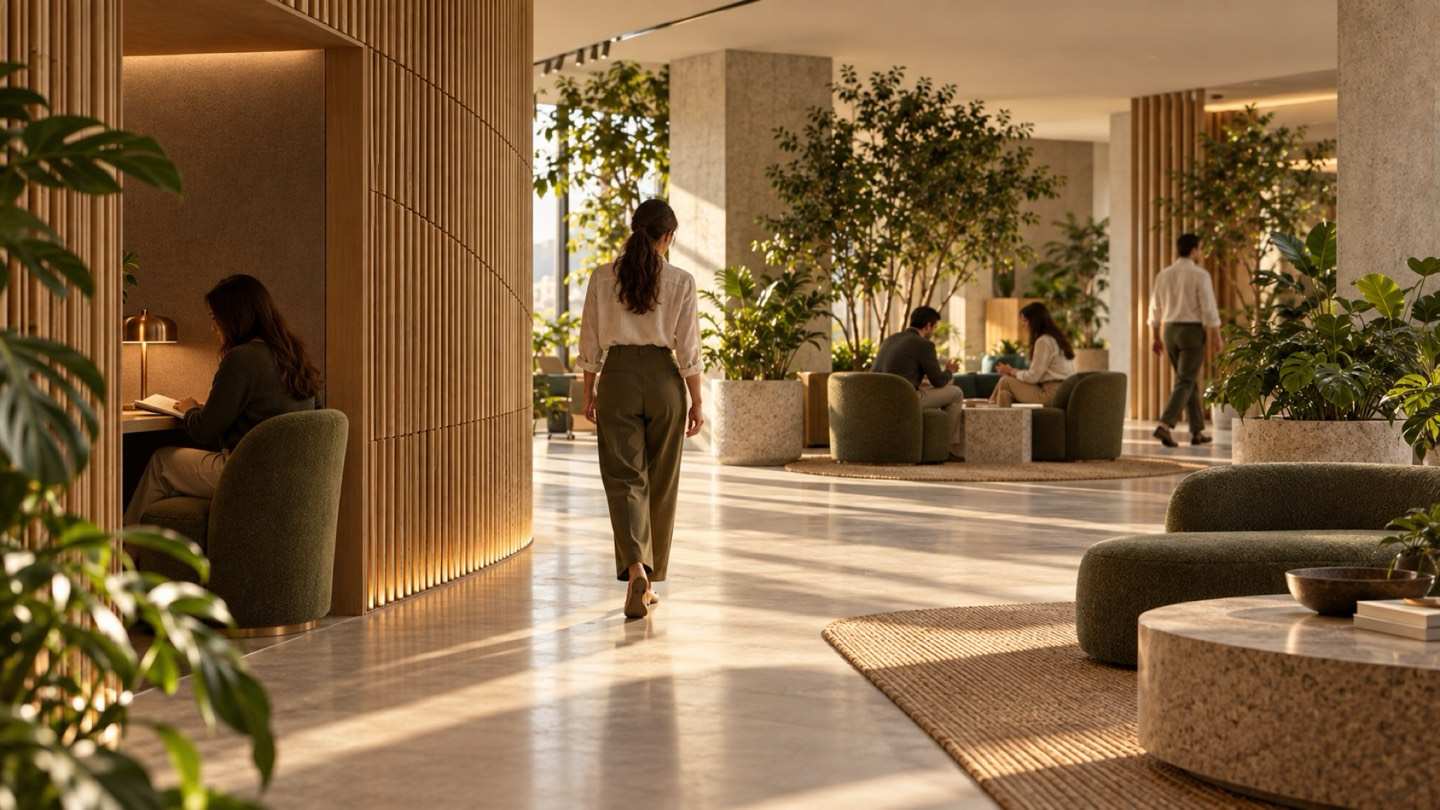
Is this your case?
- Our floor has rows of identical desks and nobody manages to focus.
- There are never enough rooms, so people take calls in the hallway.
- HR is asking for places to pause and recover, not just more desks.
- We have ESG commitments to our parent company and want every square metre we occupy to work.
How it works
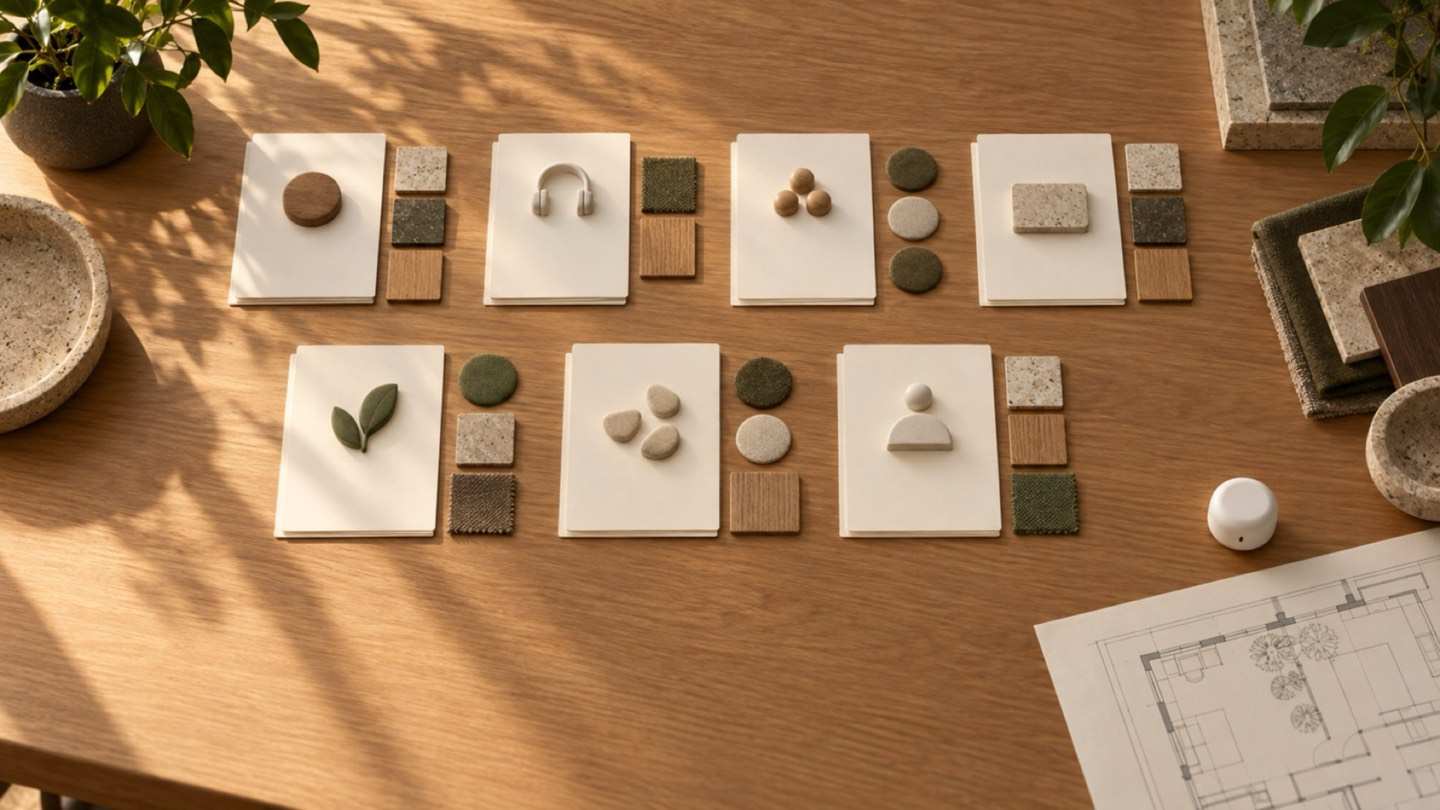
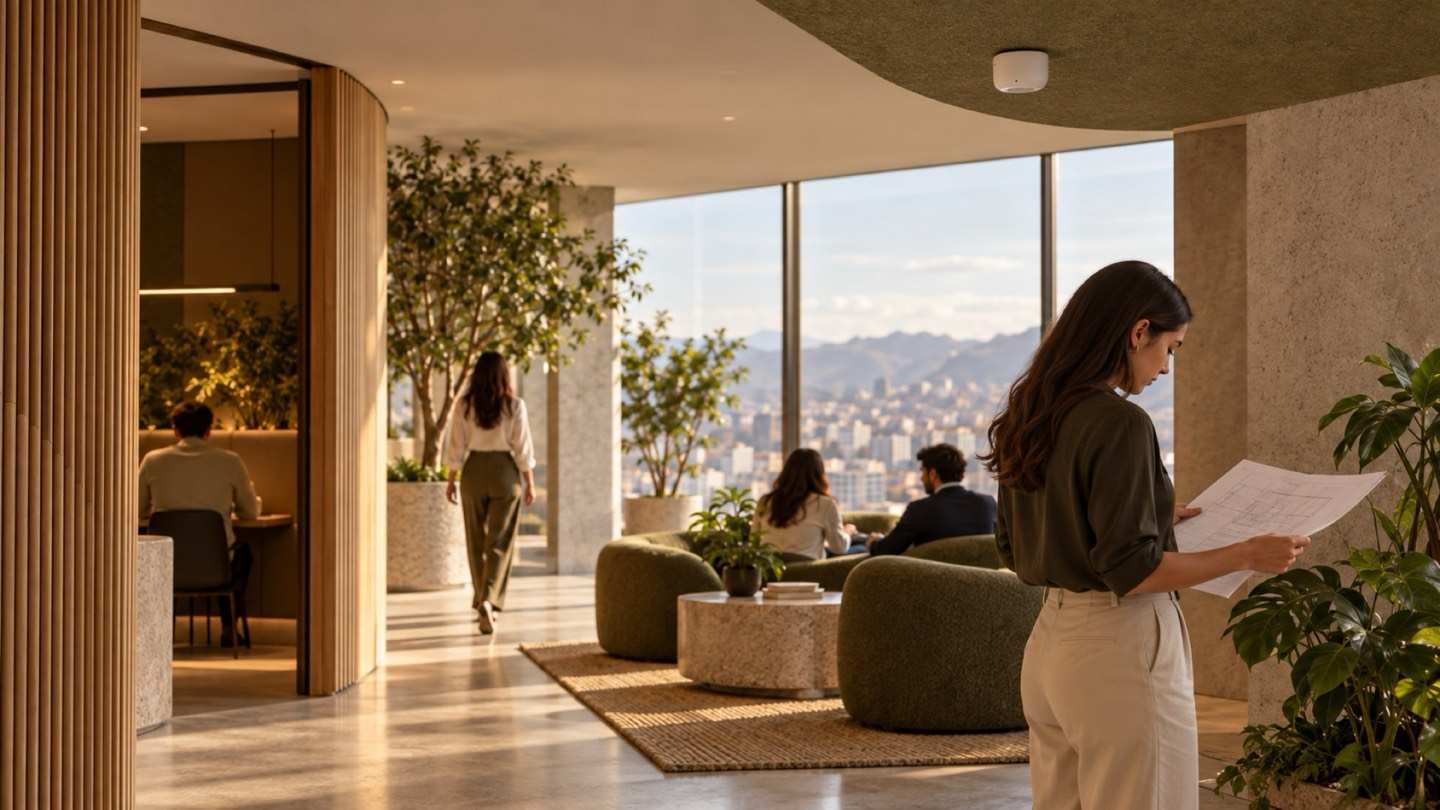
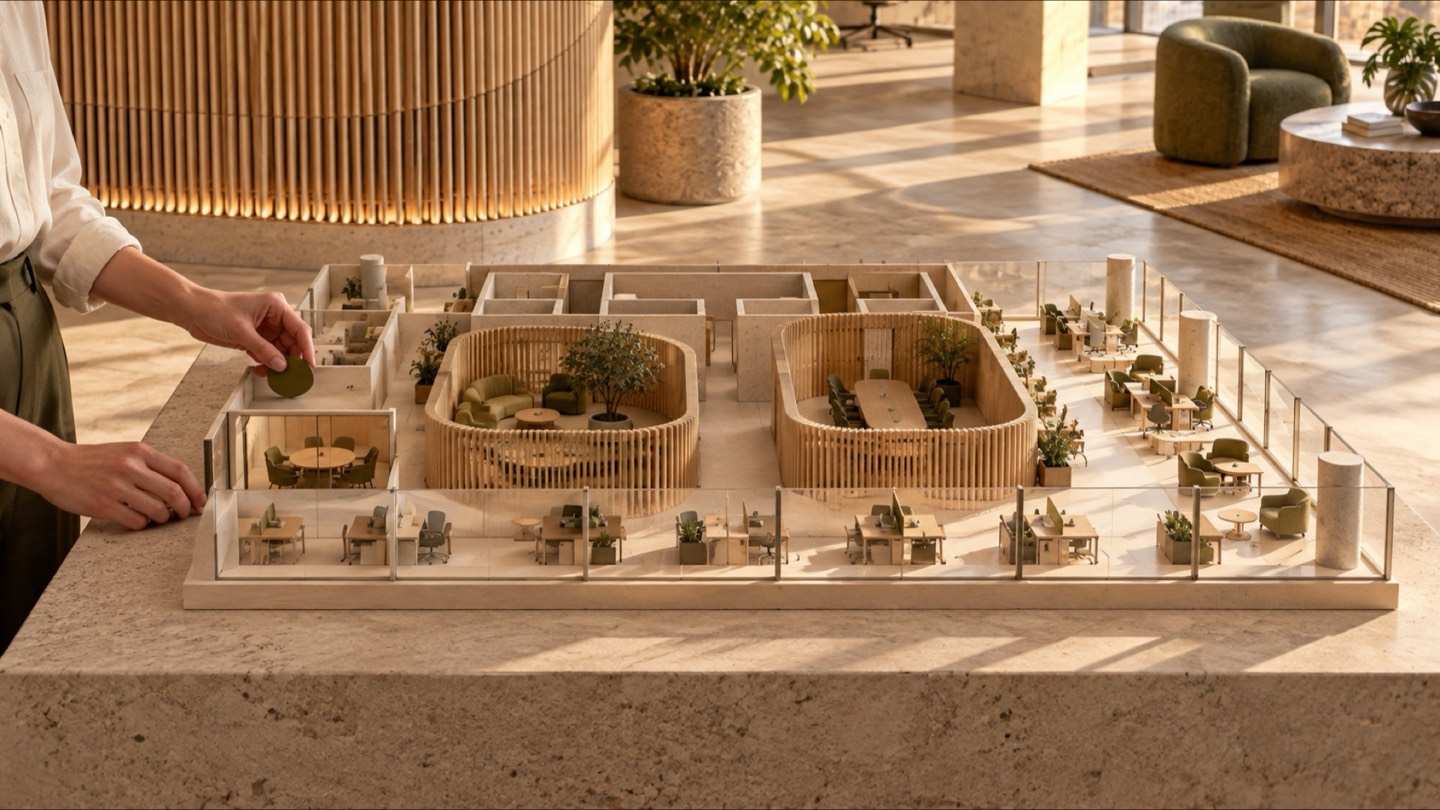
Map activities
We start from an activity matrix: focused work, calls, collaboration, formal meetings, pauses, informal encounters and reception.
Measure real occupancy
During the Audit we measure how each area is used with anonymous sensors. The brief follows data, not job titles.
Zone the floor
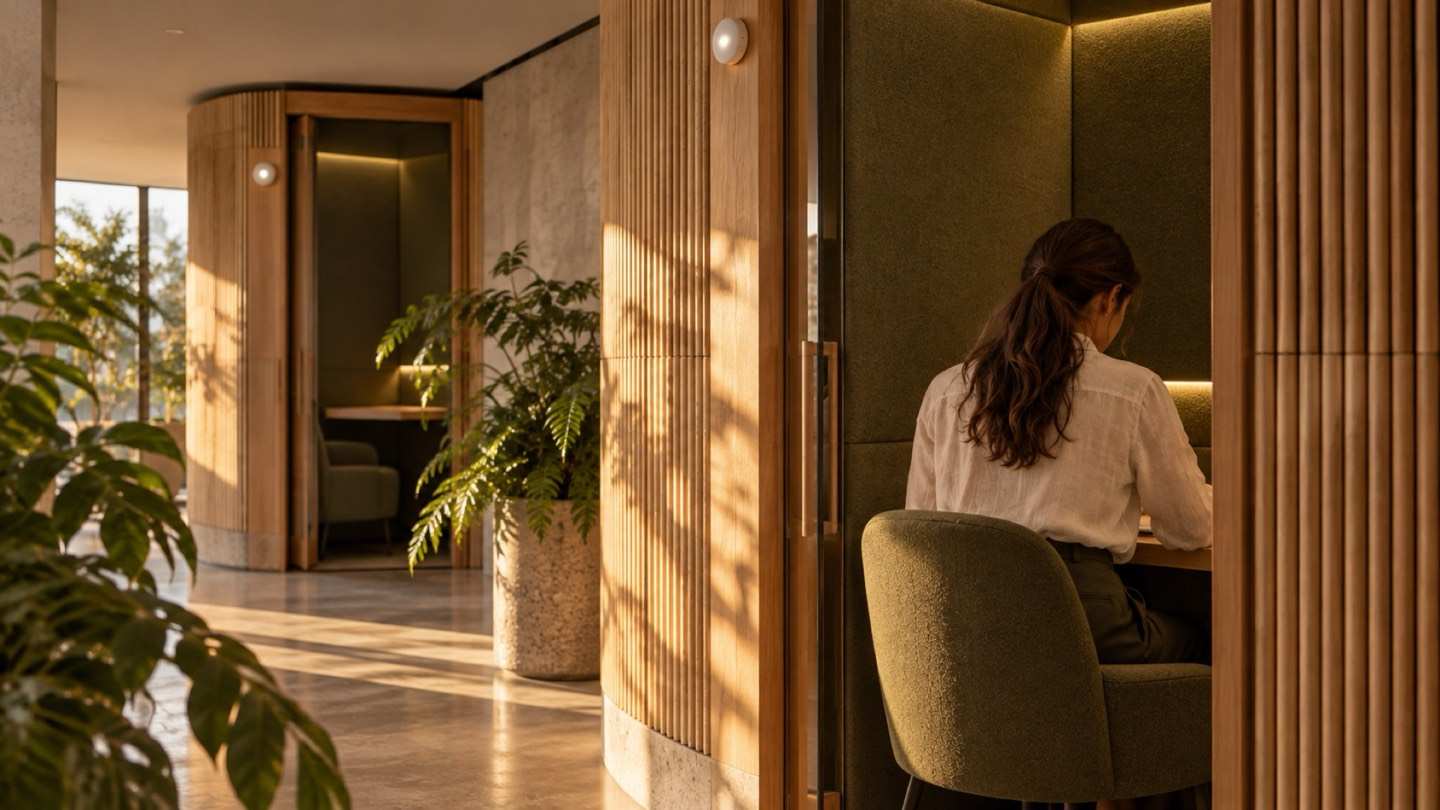
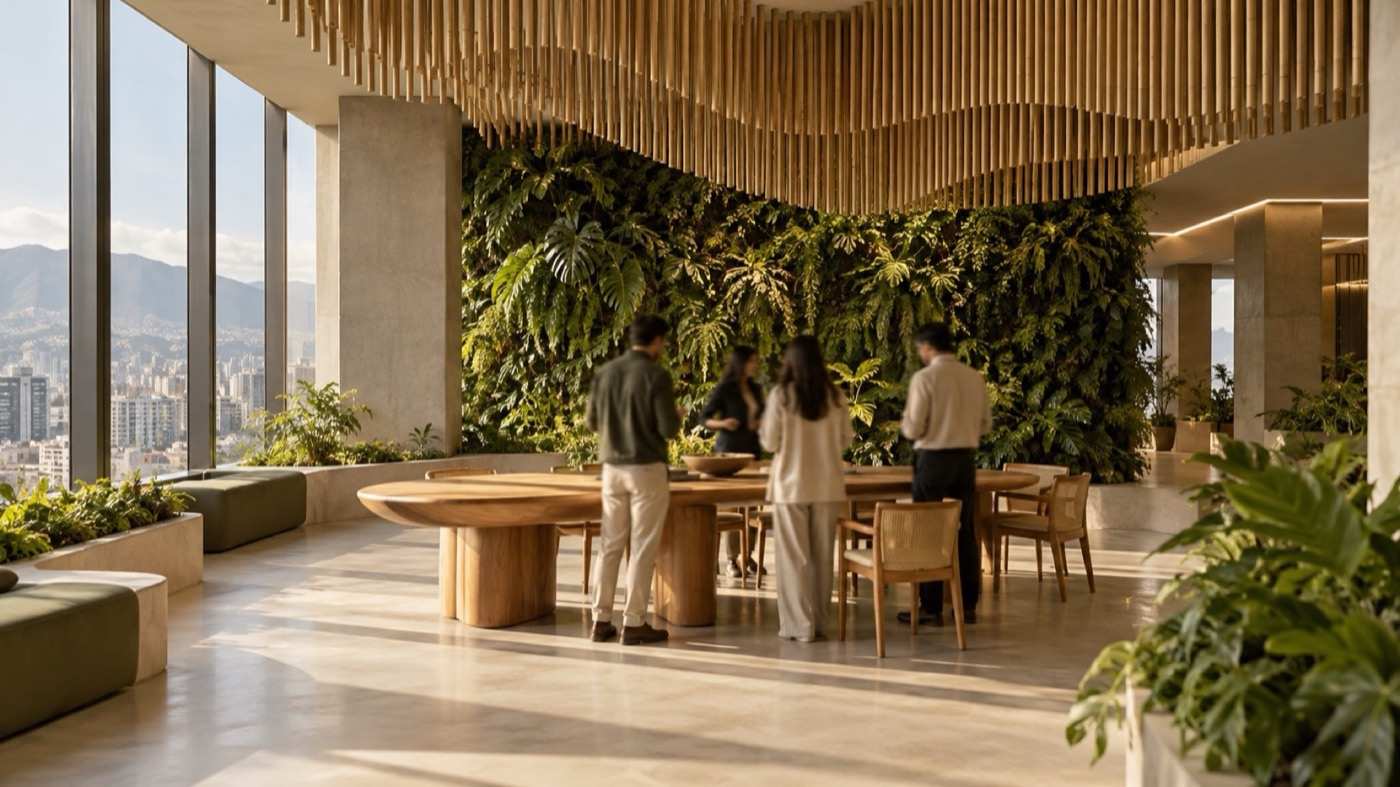
Daylight is reserved for Deep Focus. The Agora and the Refuges sit in the core, acoustically protected.
Set parameters per zone
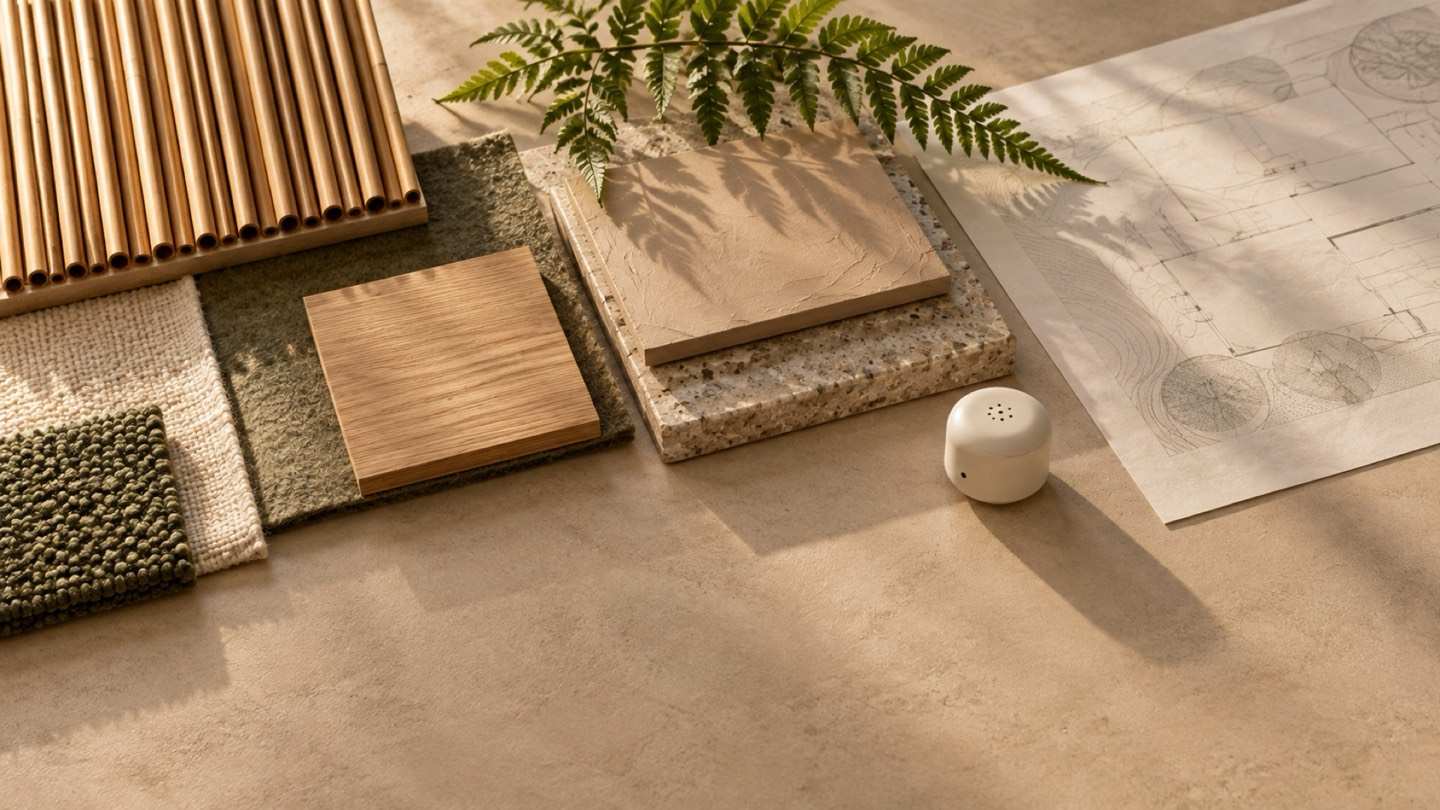
We define light, target noise, materials and biophilia for each zone. Final values come from the Audit and current regulations.
Verify use
After opening we measure real occupancy of each zone and of the Pods. We adjust what goes unused.
What you receive
- An activity matrix covering headcount, light, acoustics and design key.
- A zoning plan organised by cognitive mode.
- Light, target noise, material and biophilia parameters for each zone.
- Measurement of real use in each zone after opening.
Frequently asked questions
What is an activity-based office?
It is a floor organised by activity, not by rank or department. Each zone serves a mental state and the team chooses where to work.
What are the five zones?
The Threshold, for arrival. Deep Focus, for concentration. The Agora, for collaboration. Vital Refuges, for recovery. The Living Corridor, for moving between zones.
What light does each zone get?
As a design starting point: 3000 K at the Threshold, adjustable 4000–5000 K in Deep Focus and dynamic 3500–4000 K in the Agora. Vital Refuges at 2700 K or less, and the Living Corridor at 3000–3500 K. Final values come from the Audit.
Where do the Cognitive Decompression Pods go?
In the Vital Refuges. They host a ten-minute pause that restores the capacity to focus.
Does it work on a 600 m² floor?
Our reference scheme is a Grade A floor of about 600 m². Every project is zoned from its own Audit.
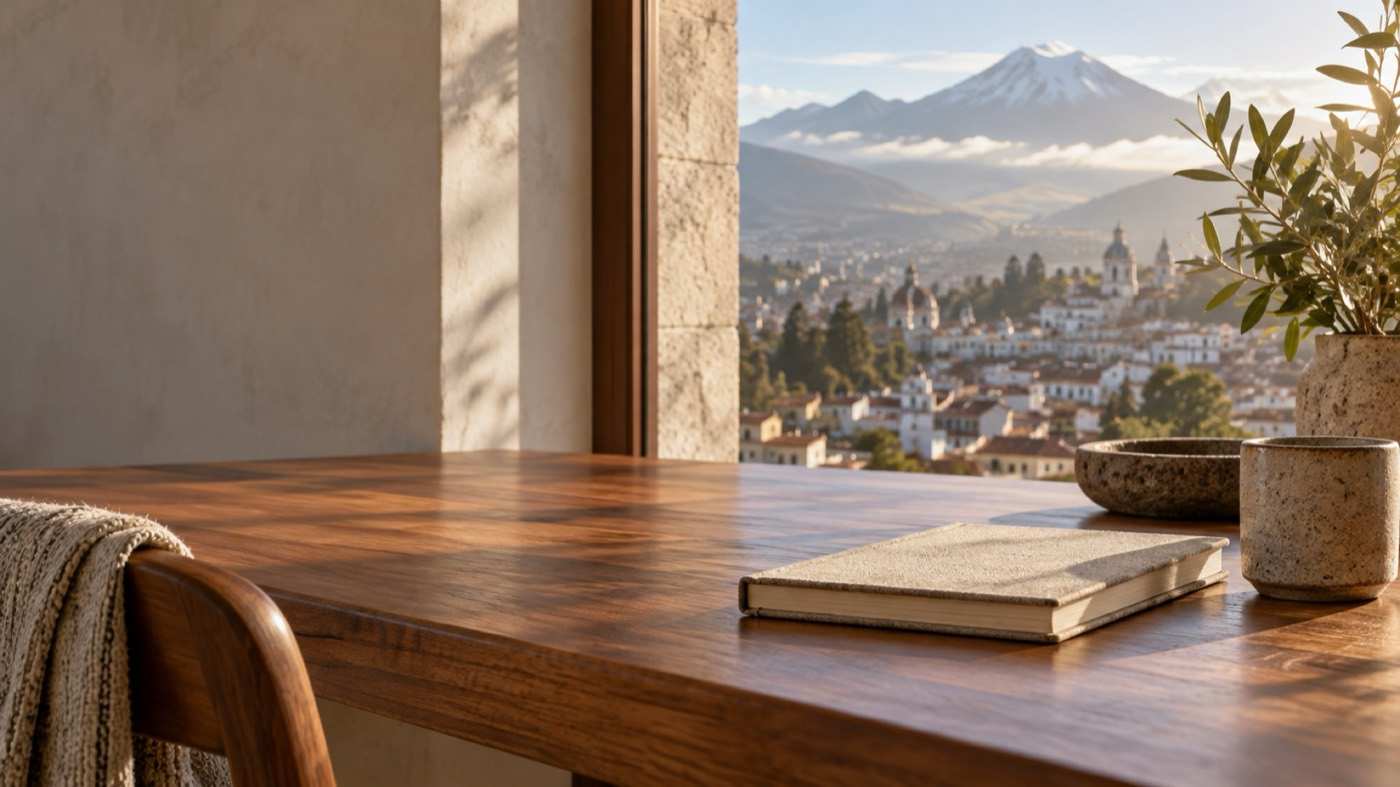
Your company's performance is decided in its space.
It all starts with a Workplace Performance Audit: we measure before we give an opinion.